
 Cart is empty
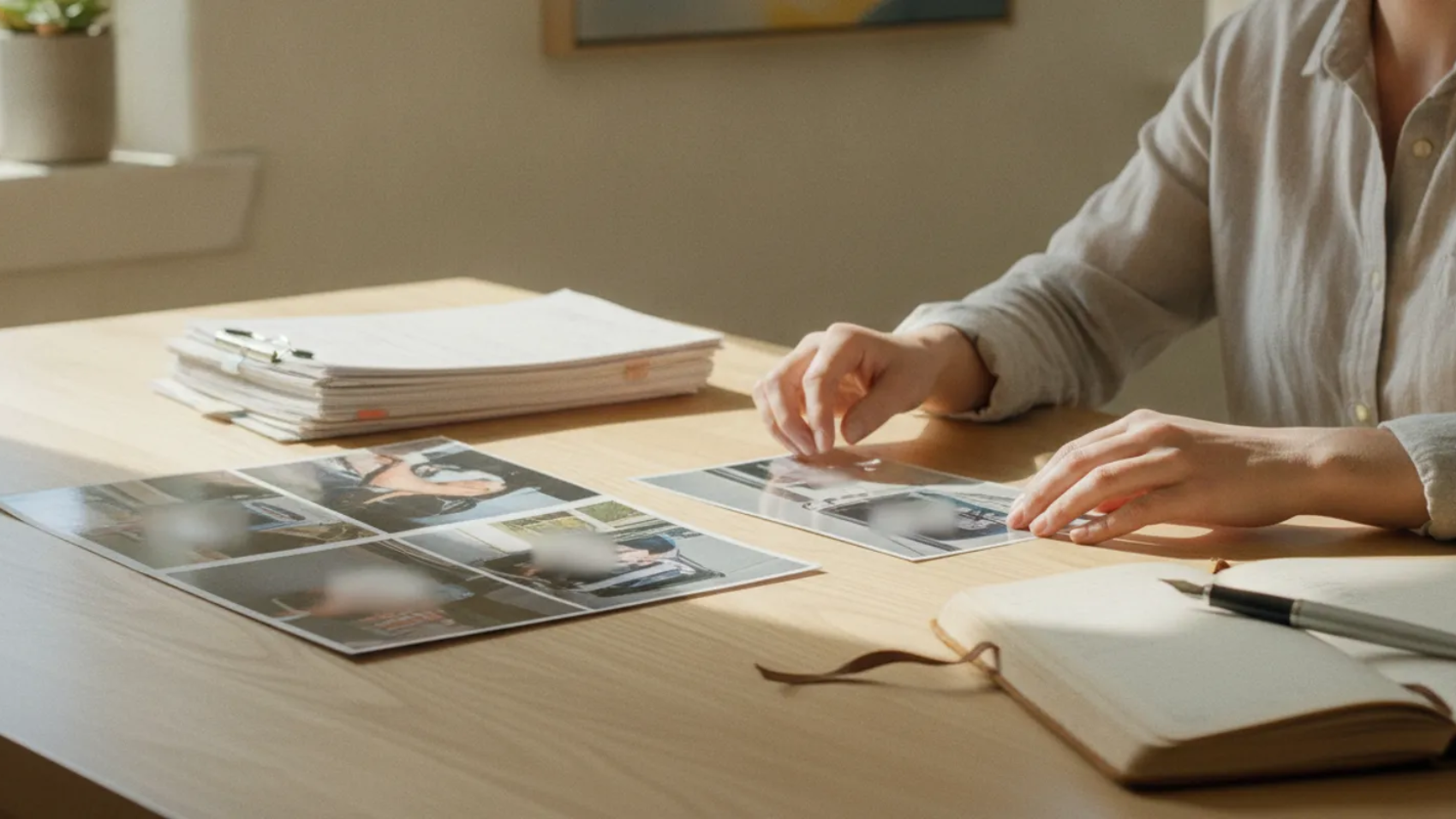
If you are asking what evidence do I need for a personal injury claim in California, start by preserving the records and details you already have. Evidence may help explain what happened, what injuries followed, and how those injuries affected daily life. You do not need a complete file before asking questions about your situation.
Call Curd, Galindo & Smith LLP about your situation
What types of evidence may help?
The useful evidence depends on the incident and the questions that need answers. California Courts identifies examples such as photos of the scene or injuries, medical bills or doctor reports, witness statements, and police reports. These materials can provide different pieces of the story; no single item automatically proves a claim.
- Photos and video: Preserve images of the scene, visible injuries, damaged vehicles or property, and conditions that may have contributed to an incident. Keep original files when possible. Note the date, location, and who took each image if you know.
- Medical records: Save visit summaries, discharge instructions, test results, treatment plans, bills, and receipts. These records may document the timing of care and the symptoms reported. Describe symptoms accurately to your health care provider and follow their instructions.
- Reports: Keep a police report, workplace report, or report made to a property owner or business if one exists. Ask the relevant organization how to request a copy, and save your request and any response.
- Witness details: Write down the names and contact information of people who saw the incident or its immediate aftermath. If someone shares what they observed, record when you spoke and distinguish their account from what you personally saw.
- Work and expense records: Save bills, receipts, pay records, leave information, and documents showing changed work duties. Underlying records are more useful than relying only on a later estimate.
- Your own notes: Make a dated account of the sequence of events, symptoms, and changes in daily activities. Separate direct observations from assumptions or information another person provided.
The California Courts personal injury guide offers examples of evidence, including scene or injury photos, medical information, witness statements, and police reports. It can help you identify common kinds of records, but it does not decide what a particular claim requires.
How can I preserve evidence?
Keep paper documents together in a secure folder and make a separate backup of digital files. Preserve original photos and videos rather than keeping only screenshots, cropped images, or edited copies. If you create a copy for sharing, retain the original. Do not alter a file to make a scene or injury appear different.
Save relevant emails, texts, letters, and claim communications. Keep copies of forms you submit and make a brief note of calls, including the date, who you spoke with, and what was discussed. If you are unsure about a detail, mark it as uncertain rather than filling the gap with a guess.
Do not delete potentially relevant messages or posts just because they seem unfavorable. The context may matter. Avoid posting detailed commentary about a disputed incident while facts are being reviewed, and do not stage photos or ask anyone to change their account.
What if I do not have every record?
Missing evidence does not mean you should give up on organizing what remains. A scene may have changed, a witness may have left before you got their name, or medical records may take time to obtain. Write down what you remember while it is fresh. Note which records may exist, who may have them, and what steps you have taken to request them.
For example, if a business near an incident may have security cameras, make a dated note identifying the location and why you think footage may exist. Do not assume a camera recorded the event or that footage is still available. Ask the appropriate organization about its process for records requests, and keep a copy of your inquiry.
Do not enter private property, access another person’s account, or try to obtain documents improperly. Different procedures may apply to records held by a business, an employer, a public agency, or a medical provider. If you are uncertain about a request, consider getting legal guidance before taking further steps.
Does the evidence depend on the kind of incident?
Yes. In a vehicle collision, photographs of vehicle damage, witness information, and a police report may help document the event. In a fall, photos or notes about the location and condition may be relevant. Medical records can document care, while work and expense records can help show practical effects. These are examples, not a checklist that establishes whether a claim is legally sufficient.
A simple system can make a growing file easier to review. Use folders or labeled envelopes for:
- The incident: photos, reports, witness contacts, and your dated timeline.
- Medical care: visit summaries, test results, bills, and instructions.
- Work and expenses: pay records, leave information, receipts, and related correspondence.
- Communications: letters, emails, messages, and notes of calls.
For a timeline, list dates and events in order. Label what you personally observed separately from what someone told you. For instance, write “I saw the vehicle turn” only if you saw it yourself; if another person told you, identify that source. If you later learn a detail was mistaken, correct your notes transparently rather than making an old entry appear unchanged.
What should I do before sharing information?
Be accurate and measured. Do not exaggerate symptoms, speculate about facts you do not know, or discard records. If an insurer or another party asks for documents or a recorded statement, the appropriate response can depend on the circumstances. Consider getting advice before responding to a request you do not understand.
Deadlines and preservation concerns can vary with the facts and the parties involved. If the matter may involve a public entity, a commercial vehicle, or a serious injury, prompt legal guidance may help identify issues that need attention. Gathering evidence by itself does not establish fault or guarantee a recovery. This article provides general information, not legal advice about an individual matter.
How can I prepare for a conversation with a lawyer?
You can begin with a short inventory rather than trying to assemble a perfect case file. Write down the incident date and location, the records you have, the records you requested, possible witnesses, and any details you are unsure about. Bring or keep the original records safely and share copies when appropriate.
Curd, Galindo & Smith LLP is based in Long Beach and serves injured people across California. You can learn more about the firm on its website. For general information, visit Curd, Galindo & Smith LLP online. Whether a particular matter is a fit requires an individual evaluation; no representation or result is promised before that review.
Call the firm to discuss your situation
Preserve what you have, organize it by date and type, and clearly mark anything you do not know for certain.