
 Cart is empty
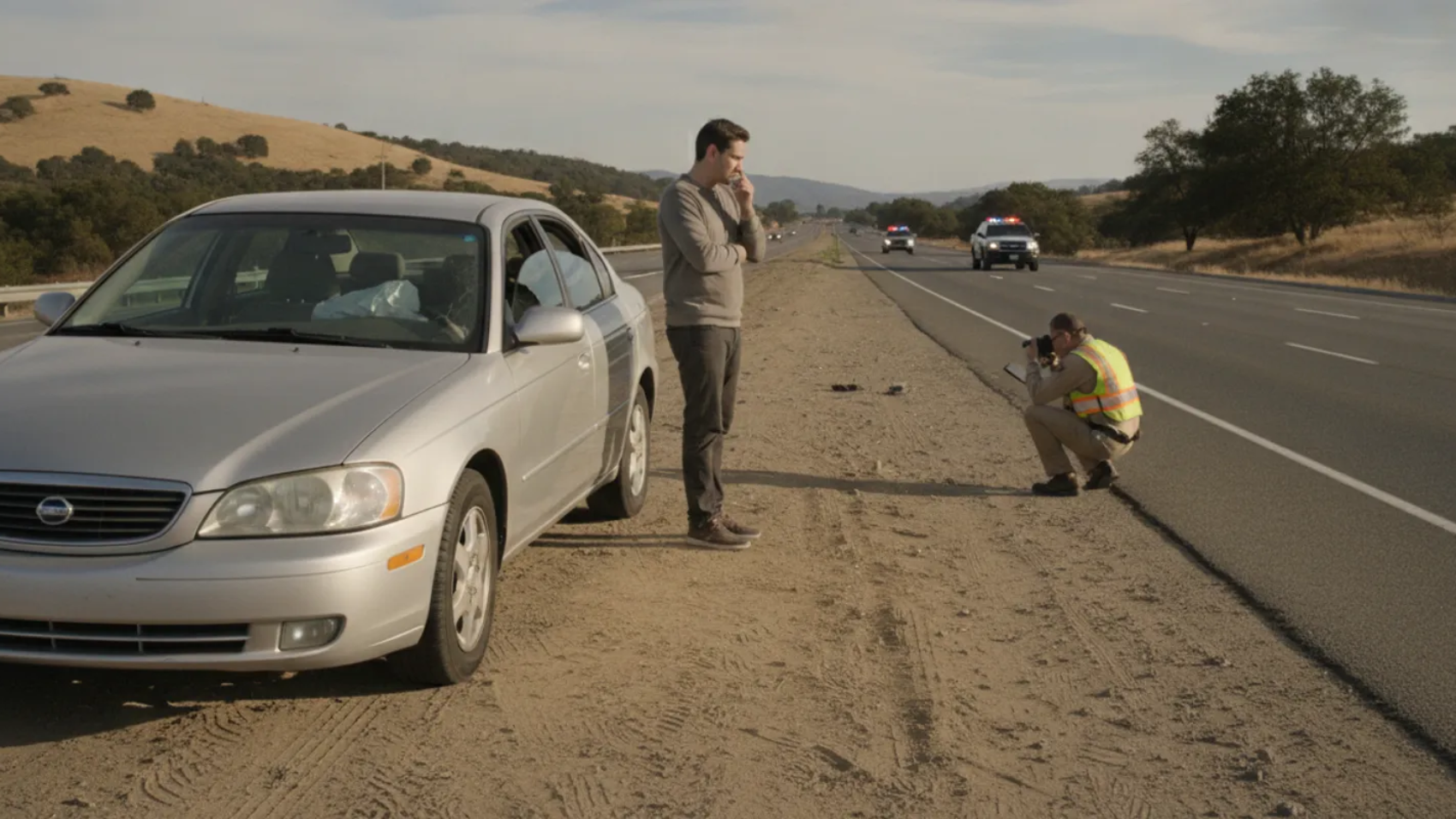
If you are asking, “what damages can I recover for a California car accident,” the answer depends on your injuries, losses, available evidence, and how responsibility is determined. A claim may include financial losses and compensation for certain personal harms, but no category or amount is automatic. This overview is general information, not legal advice for your specific situation.
Contact the firm to discuss your situation
What kinds of damages may be part of a California car accident claim?
Damages are losses a person seeks to recover through a claim. They are often grouped into economic and non-economic damages. The collision, injuries, supporting proof, applicable law, and available insurance all affect what may apply.
Economic damages
Economic damages are financial losses that can generally be documented with bills, receipts, records, or other evidence. Depending on the circumstances, they may include:
- Medical expenses: Costs for treatment related to the collision, such as emergency care, follow-up visits, medication, rehabilitation, or future care supported by evidence.
- Lost income: Wages or other earnings missed because an injury kept you from working. Pay records, schedules, and employer documentation may help show the amount and period of loss.
- Reduced ability to earn: If an injury affects future work, evidence about your condition and work capacity may be relevant. This is different from adding up past missed pay.
- Property damage: Repair or replacement costs for a damaged vehicle and other personal property. Keep estimates, invoices, and photographs.
- Other out-of-pocket costs: Necessary expenses connected to an injury, such as transportation to treatment, may be considered when supported by records and applicable law.
Non-economic damages
Non-economic damages address personal effects that do not come with a simple invoice. Depending on the evidence and applicable law, these may include physical pain, emotional distress, inconvenience, and limits on ordinary activities or relationships. Your account, treatment records, and observations from people familiar with your daily life may help describe these effects.
There is no single formula that reliably values these experiences in every case. The nature and duration of symptoms, the effect on daily life, and the strength of supporting evidence can all matter. A simple multiplier estimate should not be treated as a guaranteed valuation.
How can you document different losses?
Organize records by category so it is easier to see what each item shows. For example, a medical bill documents a charge, while a provider’s notes may help explain the treatment and its connection to an injury. Neither should be assumed to prove every part of a claim on its own.
- Treatment: Keep bills, visit summaries, prescriptions, referrals, and treatment recommendations. Note dates and providers, and report symptoms accurately.
- Work: Save pay stubs, schedules, employer letters, and records of missed shifts or changed duties. Separate time missed from any claimed effect on future earning ability.
- Vehicle and property: Keep repair estimates, invoices, photos, towing receipts, and rental-car records. Track each expense and its date.
- Daily impact: Consider keeping a dated, factual log of symptoms and practical limits, such as difficulty driving, sleeping, or completing usual tasks. Do not exaggerate or guess.
- Collision facts: Preserve scene photographs, witness contact details, and available video. A police report may document an event, but it does not by itself decide civil liability.
- Communications: Keep insurance correspondence and copies of forms or statements you provide.
Keep original records when possible and note the source of each item. If a cost is paid by someone else or covered by insurance, keep the related explanation and paperwork rather than assuming how that affects recovery. Ask a lawyer about how applicable rules treat the particular payments and losses.
How does fault affect a California claim?
California applies comparative fault principles. A person may still pursue compensation when they share responsibility, but any recovery can be reduced according to their share of fault. Insurers may disagree about how a collision happened, so photographs, vehicle damage, witness accounts, and other records can help assess the facts.
Be accurate when discussing the collision. Avoid speculation about speed, distance, or injuries if you do not know the answer. Read documents carefully before signing. A recorded statement or settlement release may affect a claim, so consider seeking advice about your circumstances before agreeing to terms.
How are insurance coverage and deadlines different from damages?
The losses a person may claim and the amount an insurer may pay are not necessarily the same. Available insurance, policy terms, other potentially responsible parties, and the evidence all matter. A policy limit does not establish the value of a claim, and a possible claim does not guarantee payment.
California law sets deadlines for filing lawsuits, and special rules may apply in some situations, including claims involving government entities. The deadline depends on the facts and type of claim. Delaying can also make evidence harder to preserve. See the California Courts’ official guidance on statutes of limitations in civil cases, and speak with a lawyer about the deadline that may apply to you.
What steps can you take to keep your claim organized?
- Prioritize safety and care. Seek emergency help when needed and follow up about symptoms.
- Preserve available evidence. Save photographs, contact details, bills, and insurance communications.
- Track costs and time away from work. Keep a dated log and supporting documents, and separate property expenses from injury-related losses.
- Communicate carefully. Provide accurate information and do not guess about fault, injuries, or future losses.
- Review documents before agreeing. Understand whether a form or release concerns vehicle damage, bodily injury, or both before signing.
- Get advice about your facts. A lawyer can review potential damage categories, evidence, and deadlines without promising a result.
Curd, Galindo & Smith LLP is based in Long Beach and serves people across California. Learn more about the firm’s California personal injury practice and use its contact route to ask whether it can evaluate your circumstances. Whether the firm can assist with a particular matter depends on an evaluation.
Frequently asked questions
Can I seek compensation for future medical care?
Potential future care may be relevant when evidence supports a connection to the collision. The need, type, and estimated cost require careful assessment; future expenses are not assumed simply because treatment may continue.
Can I recover lost wages if I used paid leave?
Using paid leave does not automatically answer whether an income-related loss exists. The facts and applicable law matter, so preserve work and leave records and ask how they may affect your claim.
Does a vehicle repair estimate cover every loss?
No. A repair estimate addresses vehicle damage, not bodily injury, missed work, or other claimed losses. Keep separate records for each category and avoid treating a property-damage resolution as a decision about injury claims unless the documents clearly say so.
Will an accident claim definitely result in compensation?
No. Liability, causation, damages, insurance, and legal defenses may be disputed. A claim’s outcome depends on its facts and evidence, and past outcomes do not guarantee a particular result.
Contact the firm to ask about your options
Organizing your records and getting advice tailored to the facts can help you understand which losses may be relevant and what steps to consider next.