
 Cart is empty
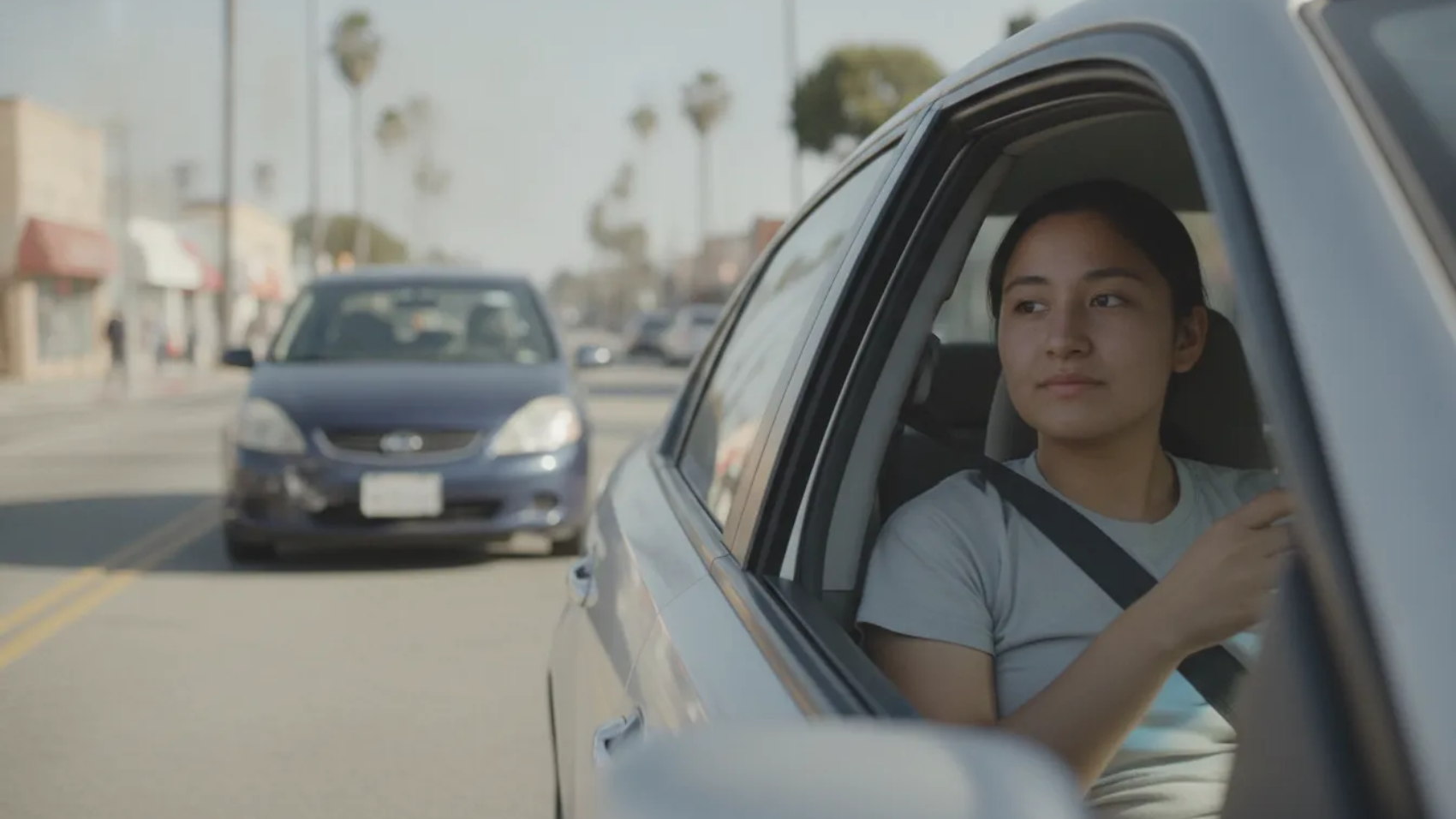
Can passengers sue after a car accident California? Yes, when someone else’s lack of ordinary care caused the crash and your injury. You can pursue the driver you rode with, the other driver, or both. You may also have a claim against an owner, an employer, or a rideshare insurer. The claim is usually against an insurance policy, not a friend’s personal savings. This is general information, not advice about your crash.
Talk with a Long Beach car accident lawyer about your passenger injury.
Can passengers sue after a car accident California?
California Civil Code section 1714 says everyone is responsible for injury caused by a lack of ordinary care. That duty covers the person behind the wheel. It does not vanish because you were in the back seat, or because the driver is a friend or relative. A passenger claim asks a practical question. Whose careless driving, vehicle, or work caused the harm?
Start with the people who were driving. Then look at who owned the car, who employed the driver, and which insurance policy was supposed to be in force. More than one answer can be true at the same time.
| Possible defendant | When the claim may exist | What usually pays |
|---|---|---|
| Driver you rode with. | Speeding, distraction, a red light, or impairment caused the crash. | That driver’s liability policy. |
| Other driver. | The other vehicle caused or shared the crash. | The other driver’s liability policy. |
| Vehicle owner. | The owner let the driver use the car. | Owner’s policy, with a statutory cap on permissive-use liability. |
| Employer. | The driver was working when the crash happened. | Employer’s commercial auto policy. |
| Rideshare company. | You were a matched Uber or Lyft passenger. | The required commercial policy for that trip period. |
Suing a friend feels personal. The insurance claim is not the same thing as asking that friend to write a check. California requires liability insurance on vehicles used on public roads. The California DMV insurance requirements set the private-passenger minimum at $30,000 for injury or death of one person, $60,000 for injury or death of more than one person, and $15,000 for property damage. Those limits are a floor, not a measure of what an injury is worth.
If both drivers were careless, you can pursue both. California uses pure comparative fault. A jury assigns each person a share. For a passenger sitting normally, that share is often zero. Your own careless act, such as grabbing the wheel, is a different case and can reduce what you recover.
If you ask, can passengers sue after a car accident California, start with your own driver
Yes, you can bring a claim against the driver of your own car. California does not create a friends-and-family exception. If that driver was texting, speeding, or running a light, their liability insurer is the first place to look. Tell the insurer you were a passenger and you are hurt. Do not give a recorded statement until you know what they are asking you to admit.
The awkward part is real. People worry the claim will raise a friend’s premium or end a relationship. Insurers still exist for this reason. A prompt notice protects the driver too, because late notice can complicate coverage. You can be honest with the friend and still open the claim. Say you are using the insurance they paid for, not trying to take their house.
Owner and driver are not always the same person. Vehicle Code section 17150 can make an owner liable when they let someone else drive. Vehicle Code section 17151 limits that permissive-use liability to $15,000 for injury or death of one person and $30,000 for more than one person, plus $5,000 for property damage. That cap does not limit the driver’s own negligence. It also does not cap an employer’s liability when the driver was working. Read the policy declarations before you assume the owner cap is the whole recovery.
There is a coverage trap for uninsured drivers and uninsured owners. Civil Code section 3333.4, from Proposition 213, can block noneconomic damages such as pain and suffering if you were driving uninsured, or if you own the vehicle and it was uninsured. An injured passenger who does not own the car is in a different position from the uninsured driver. Do not guess. Ask which name is on the registration and which policy was in force that day.
Other drivers, owners, and employers
The other driver is often the clearest defendant. If that driver rear-ended you, turned across your lane, or left the scene, their liability policy is a direct source. You can open that claim even when the driver you rode with was not at fault. You do not have to pick a side in their argument. You have to show who failed to use ordinary care and how that failure hurt you.
A job changes the policy. If the driver was making a delivery, driving between work sites, or using a company vehicle, the employer may be responsible for the employee’s negligence. Commercial policies are often larger than a personal auto policy. Ask whether the driver was on the clock, using a company car, or being paid for the trip. A commute in a personal car is not the same as a delivery route.
Rideshare trips have their own layers. The California Public Utilities Commission explains the insurance requirements for transportation network companies. From the moment a match is accepted until the passenger exits, the company must provide $1 million in primary commercial liability coverage. That liability layer is not the same as uninsured-motorist coverage.
While you are in the car, Public Utilities Code section 5433 also requires uninsured and underinsured motorist coverage. Senate Bill 371, effective January 1, 2026, lowered that required amount to $60,000 per person and $300,000 per incident. The CPUC’s current TNC insurance summary states the same figures for the period after a passenger enters until the passenger exits. Before 2026 the required uninsured-motorist amount was $1 million, so the date of the trip matters. The app status at the time of the crash matters too. Save the receipt.
A third party can matter too. A defective part, a poorly maintained commercial truck, or a dangerous public road can add a defendant. Those cases need a different file from a two-car crash. Our auto and truck accident page describes how the firm looks past the other driver when a company vehicle or a roadway condition is involved. If a city, county, or state agency may be responsible, the deadline is shorter than the ordinary injury deadline. The California Courts self-help guide says that before you sue a government agency you must first submit a claim, and that claim deadline comes much earlier.
What a passenger can recover
A passenger claim can include economic losses and human losses. Economic losses are the bills and the wages you can document. Human losses include pain, limits on daily life, and the emotional effect of the crash. There is no general cap on pain and suffering in an ordinary California car-crash case between private parties. Insurance limits still decide what you can actually collect.
Medical bills come first. Save the ambulance record, urgent-care notes, imaging, prescriptions, and later therapy. Missed work needs a note from your employer or a pay stub that shows the gap.
Ask for future care in writing. If a doctor says you will need more treatment, get that opinion on paper. Do not post photos of the trip or the crash while the claim is open. Insurers read them.
Comparative fault still applies if you contributed. Not wearing a seat belt, interfering with the driver, or knowing the driver was clearly unfit can become an argument. It does not automatically end the claim. It can reduce it. Joint and several liability is also narrower than people expect. Under Civil Code section 1431.2, defendants share noneconomic damages by their percentage of fault. Economic damages can still be collected more broadly, then sorted out between the defendants.
No honest lawyer can quote a passenger settlement from a blog. Injury, treatment, fault, and the available policies decide the number. A crash with a hospital stay and a commercial policy is not the same case as a sore neck and a minimum policy. If you want the broader list of crash losses, read what a California personal injury claim can include. If a passenger died, that is a different claim for the family, covered on the wrongful death page, not a substitute for this one.
Deadlines and insurance to check first
The California Courts self-help page on deadlines to sue someone states the general personal-injury deadline as two years from the injury. Missing it can end a lawsuit even when fault is clear. Do not wait two years to open the insurance claim. Medical bills and recorded statements move faster than a courthouse clock. A claim against a public entity is different. You generally must present an administrative claim first, and that presentation deadline is measured in months, not two years. Confirm the exact date before you rely on a general rule.
Check every policy that might apply, in this order:
- Liability coverage for the driver you rode with, and the owner if they differ.
- Liability coverage for every other driver who helped cause the crash.
- An employer or commercial policy if the trip was work.
- The rideshare company’s period-of-trip coverage if you requested the ride in an app.
- Uninsured or underinsured motorist coverage on a policy that covers you, including a household policy, if the at-fault driver has no usable insurance or too little of it.
Passengers often skip the last item. You do not have to own the car to ask whether a policy in your household covers you as an occupant. Bring the declarations page, not just the insurance card. The card shows a company. The declarations page shows the limits. If a driver was uninsured, say so early. Hiding it does not help, and Proposition 213 can change which damages an uninsured owner or driver may recover.
Minors are not on the same clock as adults. Tolling rules can pause a deadline while a child is under 18, but medical care and insurance notice should not wait for a birthday. A parent can start the claim. A parent should not sign a full release for a child without understanding what it closes. Court approval can be required for a minor’s settlement. Ask before anyone signs.
What to do in the first week
Get medical care first, even if you plan to sort out insurance later. Adrenaline hides pain. A same-week visit creates a record that connects the injury to the crash. Tell the clinician you were a passenger and name the vehicle you were in. Follow the treatment plan. Gaps in care become the insurer’s favorite argument.
Then preserve the facts that identify the right defendant. You are not writing a novel. You are saving proof.
- Photograph the cars, the intersection, your seat, and visible injuries.
- Save the police report number, the other plate, and every insurance card.
- Keep the rideshare receipt or a screenshot of the trip if an app was involved.
- Write down who was driving, who owned the car, and whether the trip was work.
- Keep a short daily note of pain, missed work, and tasks you cannot do.
Call your own insurer even if you were not driving, if you have a policy or you live with someone who does. Ask about medical-payments coverage and uninsured-motorist coverage. Those benefits are separate from blaming your friend. Decline a quick release that trades a check for every future claim. A property-damage payment for a bag or a phone should not also close a neck injury.
If fault is being split, if a truck or rideshare is involved, or if a friend’s insurer is pushing a recorded statement, get a lawyer involved before you sign. Curd, Galindo & Smith LLP is a Long Beach trial firm that represents injured people in California auto and truck cases. Alex Galindo is the attorney byline for this guide. A consult can tell you whether the claim is against one policy or several. It is not a promise of a result.
FAQ: passenger claims after a California car accident
Can I sue the friend who was driving?
Yes. California law lets an injured passenger pursue the driver of the car they were in, including a friend or family member. In practice the claim usually goes to that driver’s liability insurer. You can be direct with your friend and still open the claim. Do not sign a release just to keep the peace.
What if the other driver caused the crash?
You can claim against the other driver even when the person you rode with did nothing wrong. If both drivers share fault, you can pursue both. Your recovery is not divided just because you were a passenger. It is divided only if you yourself share fault.
How long do I have to file?
The California Courts self-help guide gives two years from the injury as the general personal-injury deadline. A claim against a city, county, or state agency usually requires an earlier government claim. Insurance notices should go out as soon as you can identify the policy. Waiting for the lawsuit deadline is how bills and evidence get lost.
Does it matter that I was not wearing a seat belt?
It can. California compares fault. Not wearing a seat belt may reduce damages if it made the injury worse. It does not, by itself, erase a claim against a careless driver. Report it honestly. An insurer will look for it in the medical records anyway.
Can I recover if I do not own a car?
Yes. Ownership is not required to bring a passenger claim. Look at the at-fault driver’s policy, the vehicle owner’s policy, any employer or rideshare policy, and uninsured-motorist coverage that may extend to you through your own household. The right layer depends on who was driving and which trip you were on.
If you were hurt as a passenger, use the Curd, Galindo & Smith contact form to ask which policy applies. Bring the crash date, the insurance cards, and whether a rideshare or employer vehicle was involved. A conversation is not a guarantee of representation or a dollar result. Using this site does not create an attorney-client relationship. For the firm’s limits on website information, read the disclaimer.