
 Cart is empty
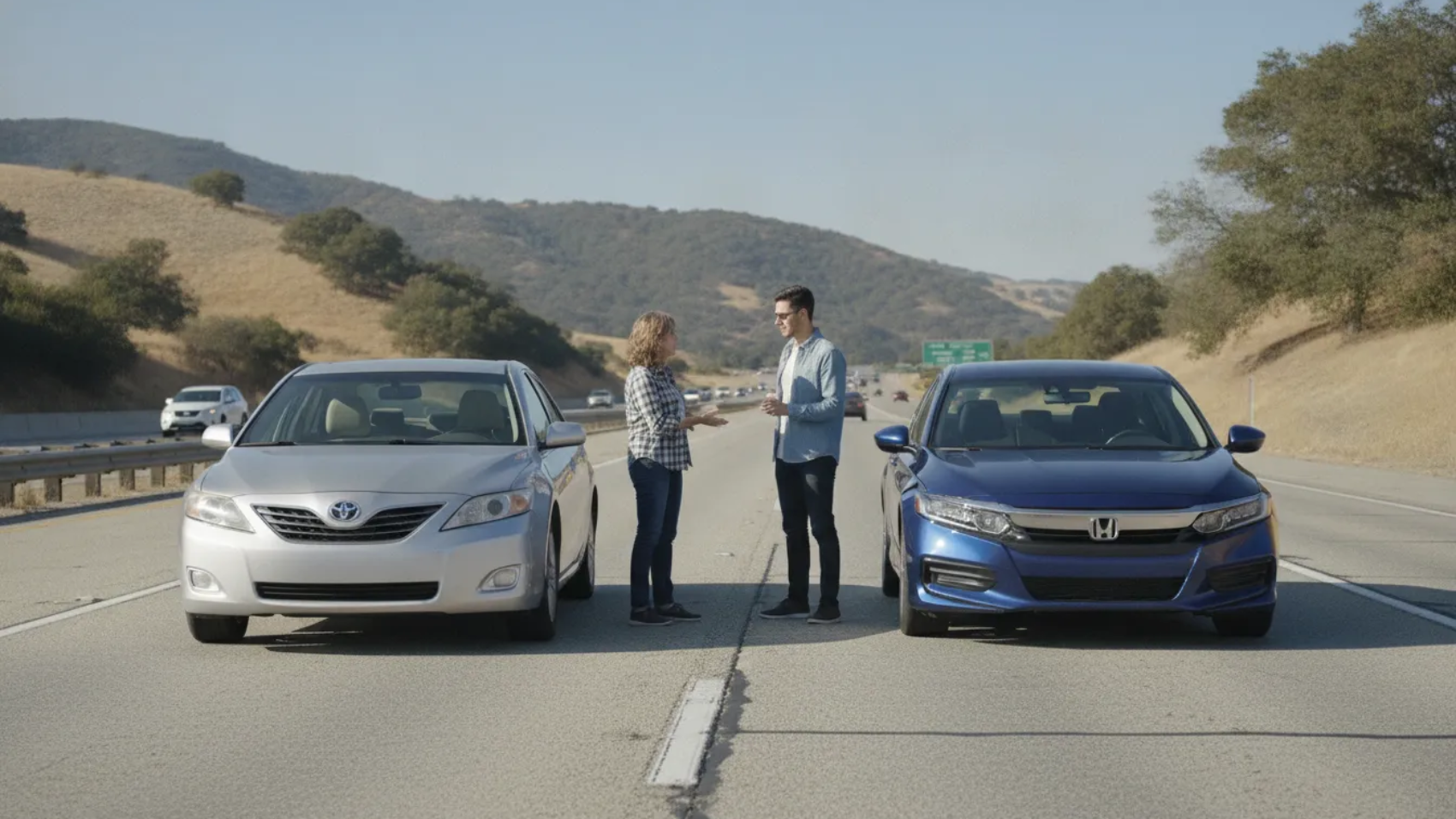
Do I need a lawyer after a car accident in California? Not for every crash. A parking-lot scrape with no injury, clear photos, and an insurer that pays the repair can stay a paperwork claim. Talk with a lawyer if someone is hurt or fault is being argued. Do the same if a truck or company vehicle is involved. Do it before the insurer asks you to sign. A recorded statement or a quick release can cost more than a lawyer’s help.
Talk with a Long Beach car accident lawyer about your crash.
When you can handle a California car accident without a lawyer
You can usually handle the claim yourself when every one of these is true. Nobody reports pain. Nobody went to a doctor or urgent care. The only loss is vehicle damage both sides can see. The other driver, or that driver’s insurer, accepts responsibility in writing. The repair estimate is straightforward. Nobody is asking you to sign a release that covers bodily injury.
Keep the exchange information, photos, and the estimate even if you never call a lawyer. A sore neck the next morning can turn a “minor” crash into an injury claim. California uses pure comparative fault. If an insurer later says you share blame, your recovery can shrink even when the other driver caused most of the crash. A fender-bender you handled yourself is fine. A fender-bender that grows an injury is a different file.
One trap is the release tucked into a property-damage check. Read every line before you endorse it. If the words cover “all claims” or “bodily injury,” do not sign it to get the car fixed faster. Ask the insurer for a property-damage-only payment, in writing, that leaves any injury claim open.
Do I need a lawyer after a car accident in California? The signs
Call before you give a recorded statement or sign anything if any of these fit your crash.
- Someone is hurt, even if they walked away. An emergency-room visit, missed work, a concussion, a fracture, or pain that shows up days later changes the claim. Treatment that is still open is a reason to wait on any settlement number.
- Fault is disputed. The other driver changes the story. Several vehicles are involved. An insurer says you were speeding, following too closely, or partly in the wrong lane. Comparative negligence reduces a recovery by your share of fault. It does not automatically end the claim.
- A truck, rideshare, company car, or public vehicle is involved. Those claims add employers and extra insurers. A public agency often has a much shorter claim deadline than a private driver.
- The insurer moves fast. A low offer, a broad medical authorization, or a release that waives future treatment is a signal to stop. Once you sign a full release, that claim is usually over.
- The other driver is uninsured or underinsured. You may have to use your own uninsured-motorist coverage. That process has its own notice rules and paperwork.
- A passenger or a pedestrian was hurt. Their claim is not the same as the driver’s property-damage claim, and it can run against more than one policy.
Curd, Galindo & Smith LLP is a Long Beach trial firm. On its auto and truck accident work, the firm looks at who was negligent, whether a vehicle defect or a dangerous road also played a part, and what the injury cost. That is a different job from trading repair estimates with a body shop.
Handle it yourself or call a lawyer
Use the facts of your crash, not a slogan. Each row is a decision signal. It is not a promise that a claim is strong or weak.
| What happened. | Usually fine to handle yourself. | Talk with a lawyer first. |
|---|---|---|
| Injuries. | No pain, no doctor, and no missed work. | Any treatment, later pain, or lost wages. |
| Fault. | The insurer accepted fault in writing. | Fault is disputed, shared, or still under investigation. |
| Vehicles. | Two private cars need a modest repair. | A truck, rideshare, company car, or government vehicle was involved. |
| Money ask. | The only ask is a repair estimate. | The ask includes medical bills, future care, or a full release. |
| Other driver. | The other driver is insured and the carrier is responding. | The other driver is uninsured, underinsured, or hard to identify. |
If your crash sits in both columns, use the lawyer column. A clean repair plus a disputed injury is not a do-it-yourself file.
What a California car accident lawyer actually does
A lawyer investigates the crash, collects medical and wage records, and deals with the insurer so you are not negotiating alone. If the offer stays too low, that lawyer can file a lawsuit and prepare the case for trial. You still decide whether to settle. Nobody can promise a dollar figure. A consultation is not a promise that the firm will take the case.
California does not set one fee for every crash. If you hire a lawyer on a contingency fee, Business and Professions Code section 6147 requires a written contract. You and the lawyer both sign it. The contract must state the percentage, how costs affect your share, and that the fee is negotiable unless a special cap applies. Ask for that writing before you agree. Do not assume “no fee unless we win” covers case costs the same way at every firm.
The practical test is simple. If the only open item is a bumper, you can often finish it yourself. If the open item is your health, your job, or a fight about who caused the crash, the cost of guessing is higher than the cost of a conversation.
People also ask what they should say on the first call. Stick to facts. Date, city, vehicles, visible injuries, and whether you already gave a recorded statement. Do not exaggerate pain, and do not guess at a settlement number. A careful lawyer would rather hear “I do not know yet” than a figure you cannot support with records.
How comparative fault changes the hire decision
California does not bar a claim just because you were partly at fault. Your share reduces what you can recover. That rule is why a casual “I am sure it was my fault” comment can be expensive. Adjusters write those words down. A lawyer’s job in a shared-fault crash is to separate what you actually did from what the other side hopes a jury will believe.
Shared fault shows up in ordinary ways. You were a little over the limit but the other driver ran a light. You changed lanes, and a truck was in your blind spot. You were a passenger, and both drivers blame each other. None of those facts ends the claim by itself. They do make a recorded statement a poor place to improvise.
This article is not a full explanation of comparative negligence. If fault is the only hard question in your case, say so at the start of a consult. Bring the diagram, the photos, and any citation. Leave the legal labels to the lawyer.
Deadlines that make waiting expensive
Two clocks run at once. They are not the same claim, and missing either one creates a different problem.
- Ten days for the DMV report. Vehicle Code section 16000 says a driver in a crash on a California street or highway must report it to the DMV within 10 days. The duty applies when the crash causes injury, death, or more than $1,000 in property damage to any one person. You, an insurance agent, a broker, or a legal representative can file the form. Some government vehicles are exempt. This report is not your lawsuit.
- Two years for an injury lawsuit. Code of Civil Procedure section 335.1 gives two years to sue for injury or death caused by someone else’s wrongful act or neglect. The California Courts self-help guide states the same two-year personal-injury period. Missing it usually ends the case.
Those dates move in some situations. A claim against a city, county, or state agency often requires a government claim much sooner than two years. A child’s deadline can pause until adulthood. If you are close to either date, do not guess from a blog post. The personal injury page covers the broader practice. The timing question belongs in a consult.
Insurance notice is a third clock, and it comes from your policy rather than from the statute. Many policies want prompt notice of a crash. Reporting a claim to your own insurer is not the same thing as giving the other driver’s adjuster a recorded interview about injuries. You can do the first and still get advice before the second.
What to gather before the first call
A useful first call is short when the facts are in one place. You do not need a complete medical file to ask whether the case is worth handing off. You do need to be honest about your own possible fault. Hiding a prior injury or a traffic citation makes the later claim worse, not better.
- Write the date, time, and city of the crash, and whether a police report number exists.
- Save photos, the other driver’s insurance card, and any written statement you already gave.
- List passengers and say whether anyone went to a hospital or clinic.
- Note treatment so far and days of work missed. Exact bills can come later.
- Set aside any offer, recorded-statement request, or release the insurer sent. Do not sign it while you are still deciding.
If a family member died in the crash, this decision guide is the wrong depth. Wrongful death has its own rules and its own claimants. Start with the firm’s wrongful death page and ask for a consult about that claim, not only about the vehicle damage.
What the first consult should cover
Use the meeting to test fit, not to relive the crash in detail. A careful consult usually answers five questions.
- Is there an injury claim, a property-damage claim, or both?
- Who may be responsible besides the other driver?
- Which deadline is closest, including any government claim?
- What would the written fee agreement say about the percentage and costs?
- What should you stop doing today, such as recorded statements or social posts about the crash?
Ask who will actually handle the file. At this firm, Alexis Galindo is the attorney to ask about injury and collision work. You can read his background on the Alex Galindo page before you call. A consult is a conversation. It is not a fee agreement, and it is not a promise of a result.
Bring questions in writing if pain or stress makes them hard to remember. Keep each one narrow.
- Have I already hurt the claim by talking to the adjuster?
- Does this release close injury claims, or only the car?
- Is the two-year date the one that applies, or is a government deadline shorter?
You should leave with a clear next step. Sometimes that step is to handle the repair yourself.
If a California crash left you hurt, or an insurer is pressing you to settle, use the Curd, Galindo & Smith contact form to ask about a consultation. Bring the date, the report, and any papers the insurer sent.
FAQ: lawyer after a California car accident
Do I need a lawyer if the crash was not my fault?
Not automatically. If there is no injury and the insurer is paying the repair, many people finish the claim themselves. Talk with a lawyer when there is an injury, a dispute about fault, or pressure to sign a release. “Not my fault” starts the claim. It does not finish the paperwork.
What if I feel fine the day of the accident?
Some injuries, including concussions and soft-tissue pain, show up later. You can start a property-damage claim and still talk with a lawyer if symptoms appear before you sign any injury release. Do not sign away a bodily-injury claim just to get the car fixed.
How soon should I call a lawyer?
Call before you give a recorded statement or accept money that requires a release. Separately, report a qualifying crash to the DMV within 10 days under Vehicle Code section 16000. Remember the two-year lawsuit deadline in Code of Civil Procedure section 335.1. A government claim can be shorter.
Will a lawyer take a fee if I recover nothing?
Many California injury lawyers offer a contingency fee. The percentage and the treatment of costs are whatever the written agreement says. Business and Professions Code section 6147 requires that contract. Read it. Ask what you would owe for filing fees and records if the case does not resolve.
Can I talk with my insurer and a lawyer?
Yes. You can report the crash to your own insurer, which your policy usually requires, and still ask a lawyer to handle the injury claim. Tell the lawyer what you already said on a recorded line so the two accounts match.
This article provides general legal information, not legal advice for a particular situation. Deadlines, insurance requirements, and available claims depend on the facts. Review the firm’s disclaimer and consult a qualified lawyer about your circumstances.